Dry film photoresist, also known as photoresist dry film, is a critical photosensitive polymer material used in electronics manufacturing, PCB production, and semiconductor packaging. Unlike traditional liquid photoresists, it is a pre-fabricated, three-layer composite solid photosensitive film supplied in roll form. Thanks to its advantages of uniform film thickness, simple processing, and strong adaptability, it has become a core foundational material for circuit pattern transfer, precision etching, and electroplating processes.
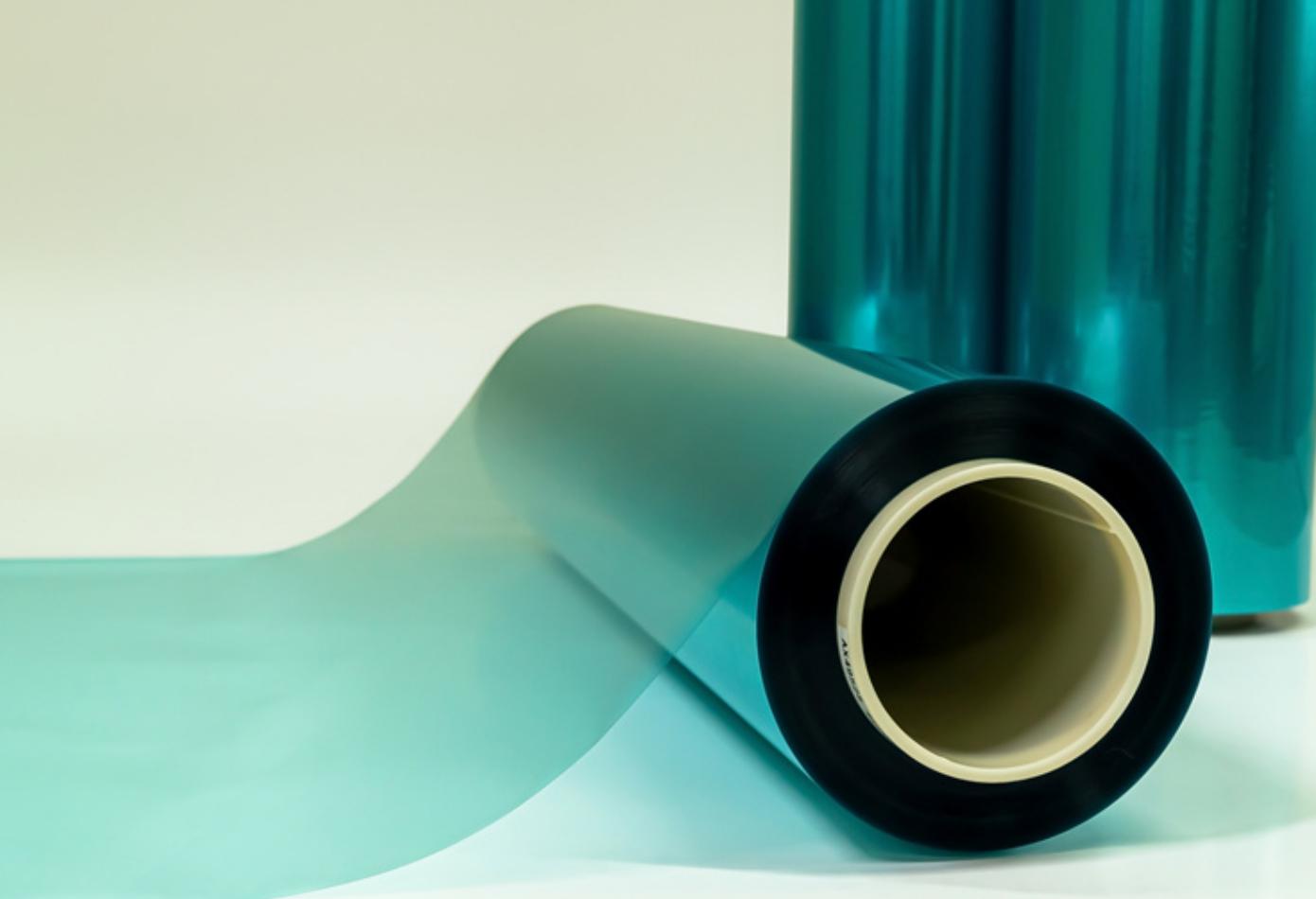
Dry film photoresists consist of a three-layer structure: a polyethylene (PE) film, a photosensitive layer/resist layer, and a polyester (PET) film. The PE release film serves as a protective layer, isolating the photoresist from oxygen and dust and preventing scratches or adhesion of the photosensitive layer during transportation and storage; it must be removed before lamination. The photosensitive layer/resist layer is the core functional layer, primarily composed of alkali-soluble acrylic copolymer resins, multifunctional acrylic monomers, UV initiators, and various functional additives. It determines the material’s resolution, adhesion, chemical resistance, and flexibility. Upon exposure to UV light, a polymerization reaction occurs, forming an insoluble cured pattern that provides etch resistance, plating resistance, and via masking. After etching or plating is complete, this layer can be removed using a NaOH solution; The PET film serves as the substrate layer, primarily supporting the formation of the photosensitive layer. During exposure, it acts as a light-transmitting medium and protects the mask from adhesion to the photosensitive layer; it must be peeled off after exposure but before development. The industry offers a comprehensive range of dry film thickness specifications, with custom options available from 20 μm to 100 μm to meet the requirements of different circuit line widths and manufacturing processes.
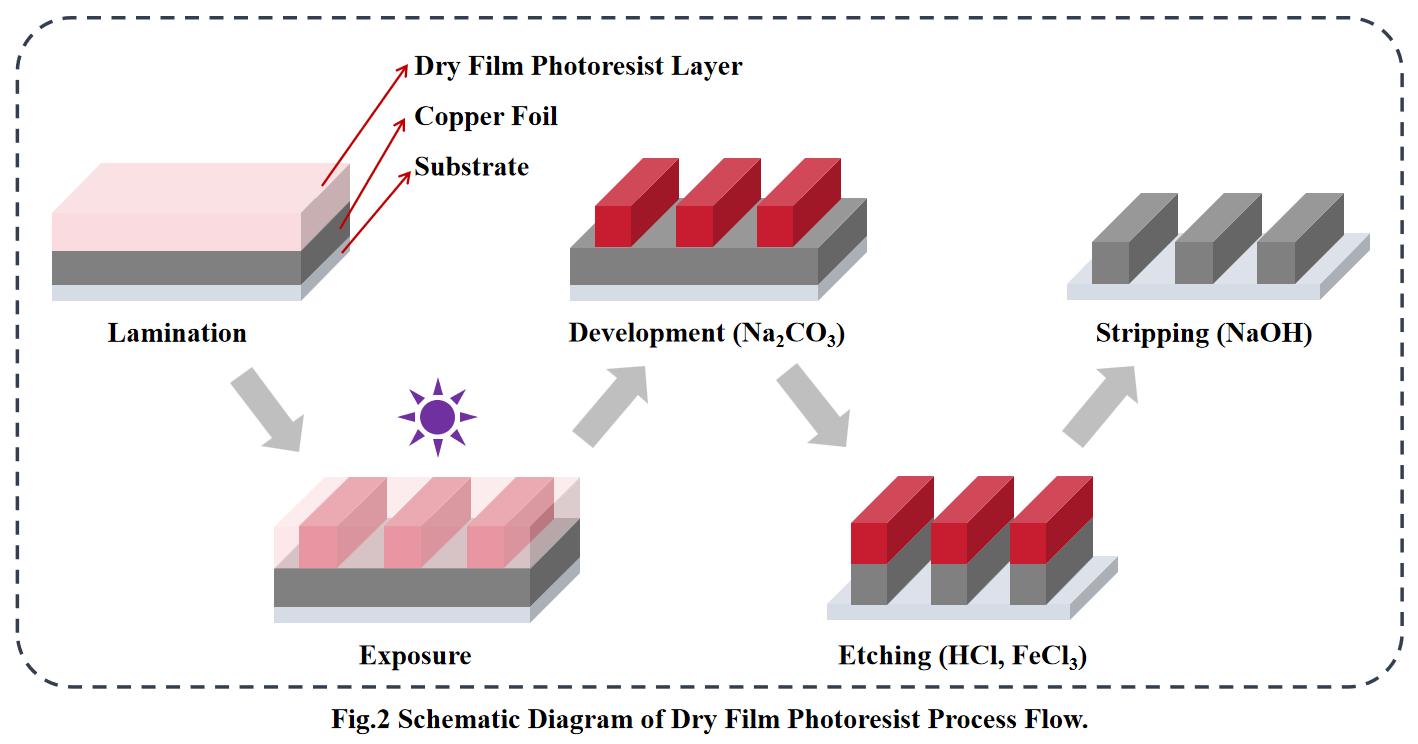
In terms of operating principles, negative-type dry films are the mainstream choice for industrial applications. In the unexposed state, the photoresist resin and monomers form a linear structure that is soluble in a weakly alkaline sodium carbonate solution. After exposure to 365 nm or 405 nm ultraviolet light, the photoinitiator absorbs light energy to generate free radicals, triggering a polymerization and cross-linking reaction of the acrylate double bonds to form a stable three-dimensional polymer network structure. The exposed and cured areas are no longer soluble in alkaline solutions and exhibit resistance to etching, electroplating, and high temperatures, while the unexposed areas can be removed through alkaline development, thereby forming precise photolithographic patterns on the substrate surface.
Dry film photoresists feature a standardized and mature manufacturing process, with key steps including substrate pretreatment, hot roller lamination, temperature-controlled curing, alignment and exposure, film peeling and development, etching or electroplating, strong alkali film removal, and post-processing. First, substrates such as copper-clad laminates and metal substrates undergo degreasing, micro-etching, and drying to enhance surface adhesion. Next, using a hot-roll lamination machine, the dry film is bonded to the substrate surface at a temperature of 60~90oC to eliminate bubbles and flow defects. After standing to relieve internal stress, film alignment or LDI (Laser Direct Imaging) is performed. Subsequently, the top protective film is peeled off, and the circuit pattern is developed and retained through development with a dilute alkaline spray; subsequent steps may include etching to form the circuit or electroplating to produce gold fingers and chip bumps; finally, the residual dry film is stripped using a strong alkaline solution to complete the overall pattern transfer.
Compared to liquid photoresists, dry film photoresists offer significant advantages. They eliminate the need for on-site mixing, spin coating, and drying, and produce no organic solvent emissions, making them more environmentally friendly. The pre-formed films feature excellent thickness uniformity and strong batch-to-batch consistency; when applied to substrates with through-holes or blind vias, they do not flow and clog the holes, significantly improving PCB process yield. The process is suitable for standard production workshops, does not require a high-grade cleanroom environment, and features a high degree of automation and fast production efficiency. Although it is slightly inferior to liquid photoresists in the fabrication of ultra-fine line widths below 8 μm and has a relatively high unit material cost, it remains the material of choice for medium-to-high precision circuits, thick copper boards, and flexible circuits.
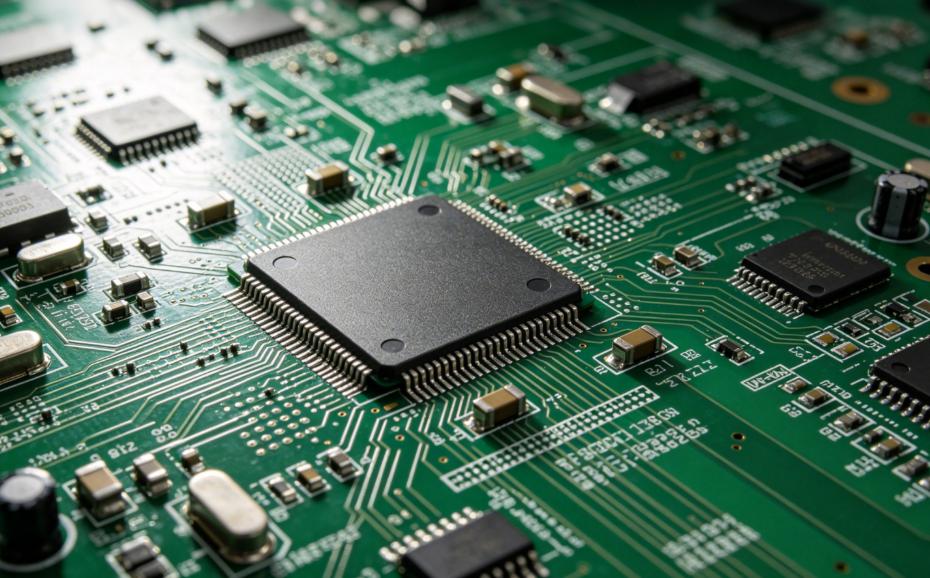
Based on application scenarios, dry film photoresists can be categorized into general-purpose circuit types, high-precision types, electroplating-specific types, flexible FPC types, and precision etching types. They are widely used in the manufacture of electronic substrates such as rigid PCBs, flexible circuit boards, HDI boards, and IC packaging substrates. Additionally, they are applied in semiconductor packaging RDL (re-wiring) and lead frame fabrication, as well as in precision metal processing fields such as stainless steel precision filters, grating encoders, and sensor electrodes.
With the rapid development of 5G communications, high-end packaging, and the foldable flexible electronics industry, dry film photoresists are evolving toward ultra-thin and ultra-fine structures, high photosensitivity with low exposure energy, high flexibility with low stress, and halogen-free, eco-friendly formulations. This evolution continues to meet the industry demands of high-end electronics manufacturing for fine lines, high stability, and green processes
HEYNOVA
an excellent service provider of key new materials and overall solutions for the global high-tech industry, focusing on the R&D and production of Polyimide monomer, Photoresist monomer & PAG, OLED monomer, Lithium battery materials, and customized services.


 English
 Nederland


![9-(2-Naphthalenyl)-10-[4-(1-naphthalenyl)phenyl]-anthracene 667940-34-3 C40H26](/uploads/image/20251017/667940-34-3-china.webp "9-(2-Naphthalenyl)-10-[4-(1-naphthalenyl)phenyl]-anthracene 667940-34-3 C40H26")
-new-material-technology-co.,-ltd.-wechat.webp)